

Oil and Gas Metering is a device used to measure the amount of oil and gas flowing through a system or pipeline. This metering functions to ensure that the volume produced, transferred, and consumed is accurately recorded. Metering is crucial in the oil and gas industry because it helps in controlling operations, managing inventories, and ensuring compliance with regulations and contracts. Some key components in an oil and gas metering system include:
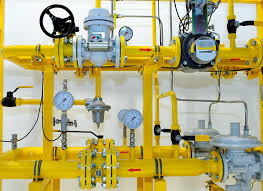
1.Flow Meter: A device used to measure the flow of liquids or gases in a pipeline. Flow meters can use various technologies, such as turbine, ultrasonic, or Coriolis, to obtain accurate measurements.
2.Pressure Transmitter: Used to measure pressure within a pipeline system and ensure safe and efficient operation.
3.Temperature Transmitter: Measures the temperature of the oil or gas being transported, as temperature can affect the viscosity and volume of the fluid.
4.Totalizer: A device used to calculate the total volume that has flowed, which is crucial for production tracking and commercialization.
5.Control and Data Acquisition Systems (SCADA): A system that collects data from various measurement instruments and sends it to a control center for analysis and decision-making.