
#

PT Patra Energi Swadaya Engineering

  • Cinere One Commercial (COC) Blok KA18 Jl. Merawan Pangkalan Jati - Cinere, Depok 16513

STORAGE TANK WELDING

Storage tank welding refers to the process of welding various components of a storage tank, typically used for holding liquids such as water, oil, chemicals, or gas. The welding process is a critical aspect of ensuring the structural integrity, leak resistance, and durability of the storage tank, especially since these tanks can be large and hold materials under pressure or in corrosive environments.
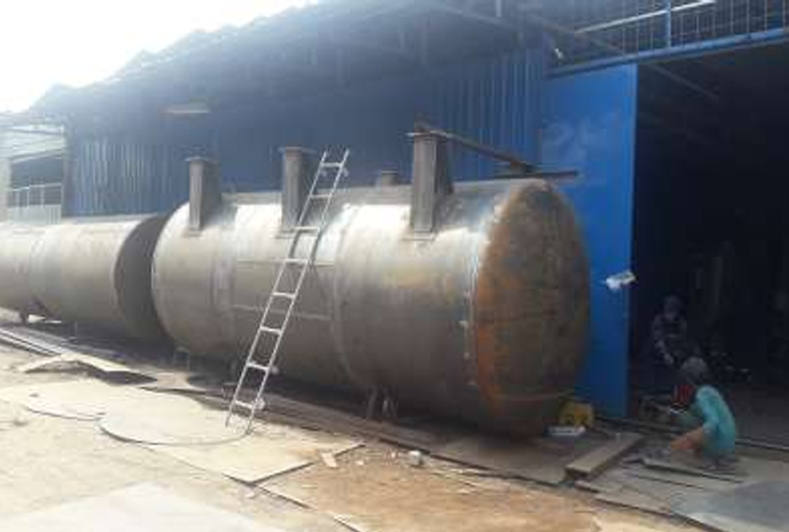
Types of Storage Tanks:

- Above-ground storage tanks (ASTs): These are commonly used for storing liquids like crude oil, gasoline, water, or chemicals. They are typically made of steel or other metals and can range in size from small to very large.

- Underground storage tanks (USTs): These tanks are buried underground and are primarily used for storing fuel or hazardous chemicals. They need to be specially designed to resist corrosion from the surrounding soil and moisture.

Key Welding Techniques Used for Storage Tanks:

- Gas Tungsten Arc Welding (GTAW): TIG Welding (Tungsten Inert Gas) is often used for high-precision welding, particularly for thinner materials or areas requiring high-quality welds. It s ideal for stainless steel or aluminum tanks and is used for creating clean, strong welds that offer a high level of resistance to corrosion.

- Shielded Metal Arc Welding (SMAW): Stick welding is a versatile and widely used method for welding thicker sections of storage tanks. It s commonly used in the field for tank construction because it s portable and efficient for large-scale projects. It s suitable for welding carbon steel and low-alloy steel, which are commonly used for tanks.